

If you’re wondering how to use a credit card properly, you’re already ahead of most people. Knowing how to use credit the right way can protect your finances, improve your score, and even unlock rewards. Credit cards are not dangerous by themselves. The risk comes from poor habits and a lack of clear strategy. Fortunately, learning a few key steps can help you use your credit card with confidence.
Key Takeaways
CREDIT CARDS AFFECT YOUR BRAIN Credit cards feel easier to use than cash. That’s because they trigger reward chemicals while hiding the cost. This mental shortcut can lead to overspending if you’re not aware of it.
LOW BALANCES BOOST YOUR SCORE Try to keep your card balance below 30% of your total limit. If possible, aim for 10% or less. This shows lenders that you’re in control of your spending.
AUTOPAY PREVENTS COSTLY MISTAKES Autopay ensures your balance is paid on time. In addition, spending alerts help you track purchases so you stay on top of your budget.
THE MINIMUM PAYMENT IS A DANGEROUS OPTION Paying just the minimum keeps the account active—but it also grows your debt. Over time, you’ll pay more in interest than you borrowed.
OLD CARDS ADD TO YOUR HISTORY Never cancel your oldest credit card. It helps build a longer credit history, which improves your score and shows stability.
The Psychology Behind Credit Card Overspending
Why Your Brain Loves Plastic
Swiping a credit card doesn’t feel like spending real money. That’s no accident. Unlike cash, cards make the cost feel distant. This delay removes the emotional “sting” of spending, which can lead to more purchases.
Dopamine Loops and Reward Cycles
Every swipe gives your brain a small hit of dopamine. As a result, your brain connects credit card use with reward. Over time, this becomes a habit—often without you realizing it. But by being aware of this loop, you can change it.
Foundational Principles of Responsible Credit Use
Pay in Full vs. Carrying a Balance
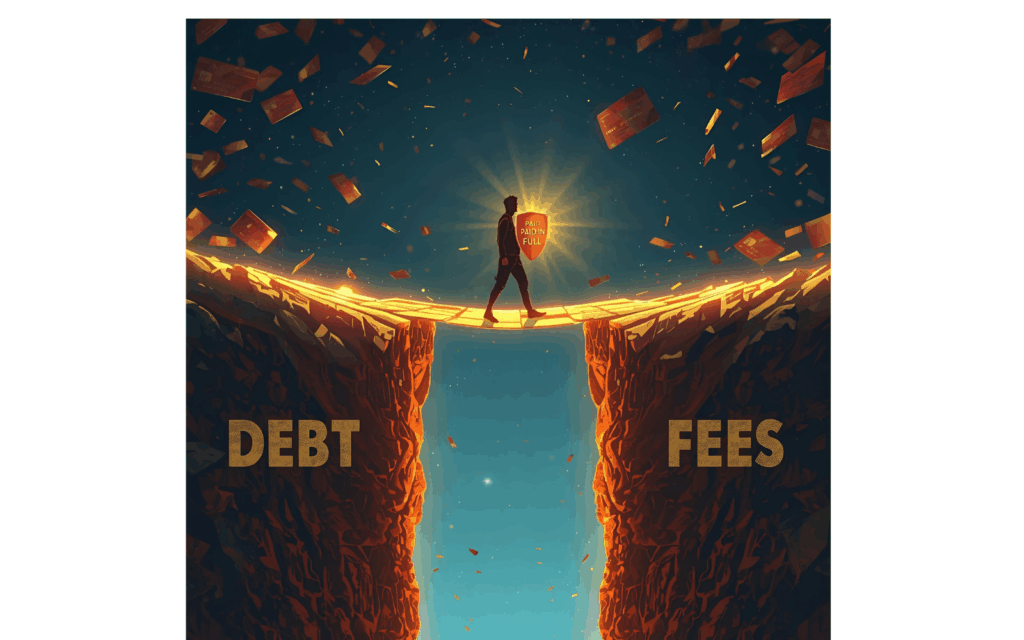
Here’s the golden rule: always pay your statement balance in full. Doing this avoids interest charges. It also shows lenders that you’re financially responsible. On the other hand, carrying a balance only helps the credit card company—not you.
Understanding the 30% Utilization Rule
Your credit utilization is the amount you use compared to your limit. Keep it below 30% to protect your score. Even better, aim for under 10%. For example, if you have a $5,000 limit, try not to carry more than $500.
Step-by-Step Guide to Daily Responsible Use
Transaction Tracking & Alerts
Set up instant alerts for each purchase. This simple habit helps you stay aware and avoid impulse spending. In addition, it gives you a clear picture of where your money is going each day.
Smart Scheduling with Autopay
Autopay removes the risk of forgetting a payment. Set it to pay the full balance—not just the minimum. Add calendar reminders so you still review your account regularly.
Monthly Budget Syncing Techniques
Plan your spending before you swipe. One smart method is to treat your credit card like a debit card. Only use it for items you’ve already included in your monthly budget. As a result, you avoid surprise balances and stay in control.
Avoiding Common Pitfalls
The Minimum Payment Trap
Paying only the minimum might seem helpful, but it creates long-term debt. In fact, it’s one of the fastest ways to fall behind. Try to pay your full balance—or as much above the minimum as you can.
Fee Triggers to Watch For
Many fees go unnoticed until it’s too late. Watch for these common traps: late fees, balance transfer fees, foreign transaction charges, and high-interest cash advances. Read your card’s terms to avoid unexpected costs.
Credit Score Optimization Through Usage
How Issuers Score Your Responsibility
Credit scoring is based on multiple factors. These include payment history, credit usage, account age, and new applications. To boost your score, focus on paying on time, keeping balances low, and using older accounts.
Length of Credit and Account Age Strategies
Older accounts improve your score by showing long-term trust. For this reason, don’t close your first card. Instead, use it for small bills and pay it off automatically. This keeps the account active without adding stress.
FAQs on How to Use a Credit Card Properly
Q: Should I use my credit card every day?
Yes, as long as you stay within budget and pay the full balance each month. This builds credit and earns rewards without risk.
Q: Is carrying a balance good for my credit?
No. That’s a myth. Paying in full helps your credit score more than holding a balance.
Q: Will having more cards hurt my score?
Not if you manage them well. Multiple cards with low balances and on-time payments can actually improve your score.
Q: What if I miss one payment?
Missing even one payment can damage your score and add fees. Autopay is the best way to prevent this.